
Presentazione
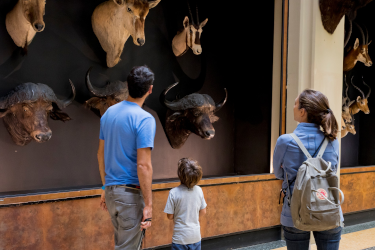
Nel 1711 il Senato bolognese acquistò Palazzo Poggi per insediarvi l’Istituto delle Scienze e delle Arti, voluto da Luigi Ferdinando Marsili. Dopo quasi tre secoli le grandi sale, affrescate dai celebri pittori Pellegrino Tibaldi, Nicolò dell'Abate e Prospero Fontana, ospitano nuovamente gli antichi corredi delle camere di geografia e nautica, architettura militare, fisica, storia naturale, chimica, anatomia umana ed ostetricia, accanto al cinquecentesco museo Aldrovandiano.
INFORMAZIONI E SERVIZI
Indirizzo
Via Zamboni, 33 – 40126 Bologna
Contatti
Biglietteria
+39 051 20 99610
Aula didattica
+39 051 2099600
Biglietteria
Aula didattica
Altre informazioni
Coordinatrice Scientifica Prof.ssa Lucia Corrain
Orari
Da martedì a venerdì: 10.00 - 16.00*
Sabato, domenica e festivi: 10.00 - 18.00*
*Ultimo accesso 30 minuti prima
Chiusure
Lunedì non festivi, 1 gennaio, 1 maggio, 15 agosto, 24 e 25 dicembre
Prezzi
- intero 7€
- ridotto 4€: giovani dai 20 ai 26 anni; adulti di età superiore ai 65 anni; gruppi con guida propria o con nostra guida (min 10 / max 20 partecipanti); possessori di tessera FAI; possessori di tessera Associazione Almae Matris Alumni.
- gratuito: studenti UNIBO; personale UNIBO; gruppi di studenti di Winter/Summer School organizzate o partecipate da Unibo; giovani fino ai 19 anni; insegnanti di scuola di ogni ordine e grado muniti di tesserino; diversamente abili e loro accompagnatori; giornalisti con tesserino; guide turistiche con patentino; possessori di tessera ICOM; possessori di tessera ANMS; possessori Card Cultura; studenti dell’Accademia di Belle Arti di Bologna; cittadini ucraini.
AGEVOLAZIONI
- Biglietto cumulativo 2 Musei/Collezioni: 9€
- Biglietto cumulativo 3 Musei/Collezioni: 14€
A scelta tra Museo di Palazzo Poggi, Museo Europeo degli Studenti - MEUS, Collezione di Geologia "Museo Giovanni Capellini". Validità 10 giorni dall'emissione.
VISITE GUIDATE E DIDATTICHE SU RICHIESTA
Altre informazioni
GRUPPI IN VISITA AUTONOMA
Prenotazione obbligatoria per gruppi superiori alle 10 persone in visita autonoma, scrivendo a sma.museizamboni33@unibo.it
SERVIZI DI APERTURA STRAORDINARIA
100 € (costo fisso per massimo 2 ore) + costo del personale
50 € costo di ogni ora aggiuntiva
ACCESSIBILITÀ
Il Sistema Museale di Ateneo ha partecipato a un progetto del Comune di Bologna che ha visto specialisti, che si occupano di disabilità sensoriali e motorie, mappare i Musei della città per rendere fruibili le informazioni sull’accessibilità.
Per alcuni dei Musei e delle Collezioni dell’Università sono state realizzate, a cura di tali enti specializzati, le schede dettagliate che descrivono le condizioni di accessibilità e fruibilità per le disabilità uditive e motorie.
Scarica le schede
BABY PIT STOP
Area dedicata alle mamme e ai loro bambini, per allattare e con fasciatoio.
I Baby Pit Stop sono stati donati dal Club Soroptimist di Bologna aderendo al più ampio programma UNICEF Insieme per l'allattamento.

-
Accessibilità
-
Guardaroba
-
Bookshop
-
Ascensore
-
Area Snack
-
Toilette